When one drain clogs, it is usually a localized problem — hair in the shower drain, grease in the kitchen line, or too much toilet paper. But when two or more drains in your Katy home start acting up at the same time, you are dealing with something very different. Multiple drains clogging simultaneously almost always means the main sewer line is partially or fully blocked.
This is not a plunger situation. Here is what is happening, why it matters, and what your next steps should be.
Why Multiple Drains Clogging Means a Main Line Problem
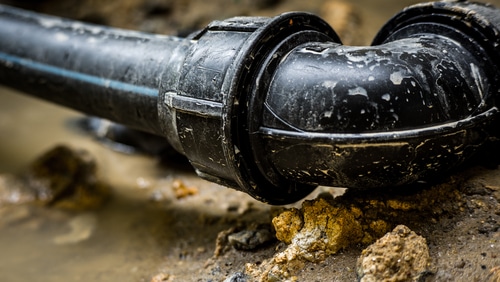
Your home’s plumbing system is designed like a tree. Individual drains (sinks, toilets, showers, tubs) are the branches. They all feed into larger branch lines, which connect to the main sewer line — the trunk. The main line carries everything out to the municipal sewer or septic system.
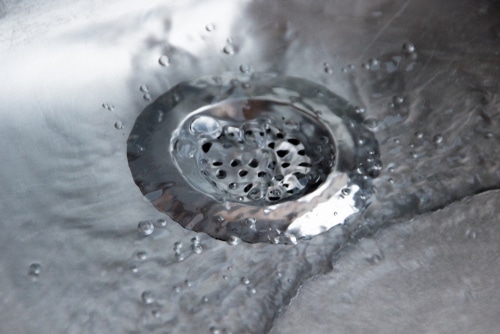
When the main line is blocked, wastewater has nowhere to go. It backs up through the system, and the lowest drains in your home are the first to show symptoms. That is why you might notice water coming up through the shower drain when you flush the toilet, the kitchen sink backing up when the washing machine drains, gurgling sounds from the bathroom sink when someone is using the shower, or standing water in the bathtub that was not there before.
If any of these sound familiar, you likely have a main sewer line blockage.
Common Causes of Main Line Blockages in Katy
Katy’s environment creates specific risks for main sewer lines that homeowners in other parts of the country do not face.
Tree root intrusion. Mature live oaks, pecans, and other large trees throughout Cinco Ranch, Grand Lakes, Cross Creek Ranch, and Seven Meadows send roots toward sewer lines because the pipes emit moisture. Once roots penetrate a joint or crack, they grow rapidly and can block the line within months.
Clay soil shifting. Katy sits on expansive clay that moves with moisture. This ground movement causes pipe joints to separate and sections of pipe to sag, creating bellied pipe that traps waste.
Grease accumulation. Years of cooking oils and fats going down the kitchen drain coat the main line walls. A partial grease blockage in the main line creates a bottleneck that affects every drain upstream.
Aging pipe materials. Homes with cast iron or clay sewer pipe that is 30 or more years old may have deterioration throughout the line — corrosion, cracks, and collapsed sections that restrict flow.
What to Do When Multiple Drains Are Clogging
Step one: Stop using water. Every flush, every wash, every faucet adds water to a system that cannot drain. The more water you push into a blocked main line, the higher the risk of a full sewage backup into your home.
Step two: Check the cleanout. If you know where your sewer cleanout is (usually a white or black capped pipe sticking out of the ground near the foundation or in the yard), carefully remove the cap. If water is standing in the cleanout or flowing out when you open it, the blockage is confirmed downstream.
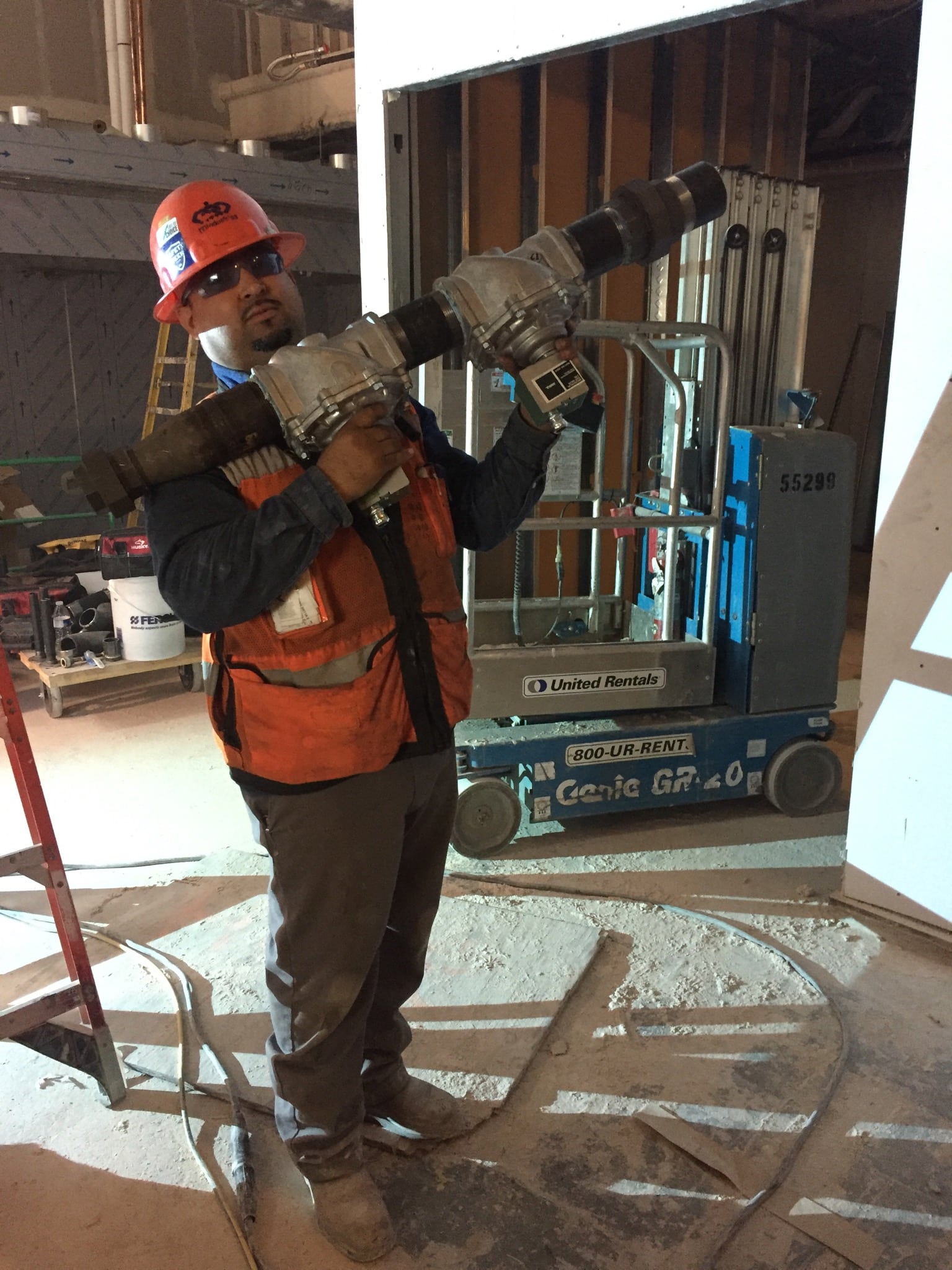
Step three: Call a plumber. A main line blockage requires professional equipment — a power snake, hydro jetting, and ideally a sewer camera inspection to confirm the cause and verify the line is fully clear after service.
Do not attempt to clear a main sewer line with chemical drain cleaners. They are ineffective against main line blockages and create a chemical hazard for the plumber who will ultimately need to work on the line.
Why You Should Not Wait
A partial main line blockage is an inconvenience. A full blockage is an emergency. When the main line is completely stopped, sewage has only one place to go — back into your home through floor drains, showers, and tubs. A sewage backup creates biological contamination that requires professional remediation, damages flooring, drywall, and personal property, and can render portions of your home unusable until cleanup is complete.
The Texas Commission on Environmental Quality classifies sewage backups as a public health concern. Getting ahead of a main line problem before it reaches full blockage saves you from the worst-case scenario.
Preventing Future Main Line Blockages
Once the immediate blockage is cleared, talk to your plumber about preventive measures. Regular drain cleaning on the main line keeps buildup from reaching critical mass. A camera inspection after cleaning confirms the line is clear and identifies any structural issues that could cause future problems. Root barriers or chemical root treatments can slow regrowth if roots are the cause.
The most effective strategy is combining annual professional drain cleaning with a camera inspection every two to three years. This catches developing problems long before they cause a multi-drain backup.
Call GAL Plumbing for Main Line Service in Katy
If multiple drains in your Katy home are clogging at the same time, do not wait for it to escalate. Call GAL Plumbing Industries at (832) 906-1141 or contact us online for emergency main line service. We respond quickly and serve Katy, Cinco Ranch, Mission Bend, Fulshear, Richmond, and all surrounding areas.
Related reading: Hydro Jetting vs. Snaking in Katy, TX | Drain Cleaning Services