If you have a tankless water heater in your Katy home, you already know the benefits — endless hot water, lower energy bills, and a smaller footprint. What many Katy homeowners do not realize is that tankless units require annual flushing to maintain those benefits. Without it, mineral scale builds up inside the heat exchanger and gradually chokes the performance you are paying for.
Here is why flushing matters, what happens when you skip it, and how GAL Plumbing Industries can keep your tankless unit running at peak efficiency.
Why Tankless Water Heaters Need Flushing
Unlike a traditional tank water heater that stores 40 to 50 gallons of water, a tankless unit heats water on demand by passing it through a heat exchanger. That heat exchanger is the heart of the system — and it is where mineral scale from Katy’s hard water accumulates.
As calcium and magnesium deposits coat the inside of the heat exchanger, the unit has to work harder to heat the same volume of water. You will notice the effects as reduced hot water output or fluctuating water temperature, longer wait times for hot water to reach fixtures, error codes on the unit’s display panel, and higher gas or electric bills despite no change in usage.
Left unchecked, scale buildup can permanently damage the heat exchanger — which is the most expensive component to replace. A $185 annual flush prevents a repair bill that could run ten times that amount.
What Happens During a Tankless Flush
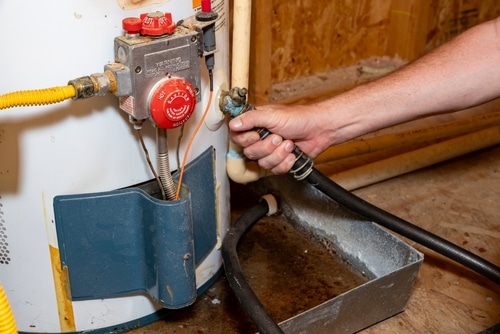
The flushing process takes about an hour and involves isolating the unit from the home’s water supply using the service valves, connecting a small pump and bucket system to circulate a descaling solution (food-grade white vinegar or a commercial descaler) through the heat exchanger for 45 to 60 minutes, flushing the unit with clean water to remove the loosened scale and descaling solution, cleaning the inlet filter screen which traps sediment before it reaches the heat exchanger, inspecting the unit for error codes, checking gas connections (on gas models), and restoring normal operation and testing hot water output.
At GAL Plumbing Industries, we currently offer tankless water heater flushing for $185 (regular price $299.99). This includes the full descaling service, filter cleaning, and system inspection.
How Often Should You Flush?
For most Katy homes, annual flushing is the right interval. If your home does not have a water softener and your water is particularly hard, every six months may be more appropriate — especially for households with high hot water demand.
Manufacturers including Rinnai, Navien, Noritz, and Rheem all recommend annual descaling as part of their maintenance requirements. In some cases, failure to perform annual maintenance can affect warranty coverage. Check your owner’s manual or ask your plumber during the service visit.
Can You Flush a Tankless Water Heater Yourself?
It is technically possible for a handy homeowner to perform a tankless flush with a pump, bucket, hoses, and descaling solution. However, there are a few reasons to let a professional handle it. Improper reconnection of service valves can cause leaks or air locks. Gas units require checking connections for safety after any service. A professional can spot developing problems — corroded fittings, failing ignitors, or venting issues — that a homeowner would miss. And if something goes wrong during a DIY flush, any resulting damage is on you rather than covered by the plumber’s workmanship guarantee.
For the time, effort, and risk involved, professional flushing at $185 is one of the best values in home maintenance.
Tankless Flushing vs. Tank Water Heater Draining
If you switched from a traditional tank unit to tankless based on any of the benefits of tankless water heaters, you may have been told that tankless units are maintenance-free. That is a myth. Tank water heaters need periodic draining and anode rod replacement. Tankless units need periodic flushing and filter cleaning. Both types require maintenance — the maintenance is just different.
The advantage of tankless maintenance is that it is faster, less messy, and directly preserves the efficiency and lifespan of the unit. A well-maintained tankless water heater can last 20 years or more. A neglected one may fail in under 10.
The U.S. Department of Energy confirms that tankless water heaters operating in hard water areas benefit significantly from regular descaling to maintain rated efficiency.
Schedule Your Tankless Flush in Katy
Do not wait for error codes or cold showers to remind you. Call GAL Plumbing Industries at (832) 906-1141 or schedule online to book a tankless water heater flush at our current rate of $185. We serve Katy, Cinco Ranch, Sugar Land, Fulshear, and all surrounding communities.
Related reading: Water Heater Services | Why Switch to a Tankless Water Heater
BLOG 5 of 8
Slug: multiple-drains-clogging-katy-tx
Focus Keyphrase: multiple drains clogging Katy TX
SEO Title: Multiple Drains Clogging in Katy, TX? Main Line Issue
Meta Description: Multiple drains clogging at once in your Katy, TX home? That is a main sewer line problem. GAL Plumbing explains the causes and what to do next.
Multiple Drains Clogging at the Same Time in Your Katy Home? Here’s What It Means
When one drain clogs, it is usually a localized problem — hair in the shower drain, grease in the kitchen line, or too much toilet paper. But when two or more drains in your Katy home start acting up at the same time, you are dealing with something very different. Multiple drains clogging simultaneously almost always means the main sewer line is partially or fully blocked.
This is not a plunger situation. Here is what is happening, why it matters, and what your next steps should be.
Why Multiple Drains Clogging Means a Main Line Problem
Your home’s plumbing system is designed like a tree. Individual drains (sinks, toilets, showers, tubs) are the branches. They all feed into larger branch lines, which connect to the main sewer line — the trunk. The main line carries everything out to the municipal sewer or septic system.
When the main line is blocked, wastewater has nowhere to go. It backs up through the system, and the lowest drains in your home are the first to show symptoms. That is why you might notice water coming up through the shower drain when you flush the toilet, the kitchen sink backing up when the washing machine drains, gurgling sounds from the bathroom sink when someone is using the shower, or standing water in the bathtub that was not there before.
If any of these sound familiar, you likely have a main sewer line blockage.
Common Causes of Main Line Blockages in Katy
Katy’s environment creates specific risks for main sewer lines that homeowners in other parts of the country do not face.
Tree root intrusion. Mature live oaks, pecans, and other large trees throughout Cinco Ranch, Grand Lakes, Cross Creek Ranch, and Seven Meadows send roots toward sewer lines because the pipes emit moisture. Once roots penetrate a joint or crack, they grow rapidly and can block the line within months.
Clay soil shifting. Katy sits on expansive clay that moves with moisture. This ground movement causes pipe joints to separate and sections of pipe to sag, creating bellied pipe that traps waste.
Grease accumulation. Years of cooking oils and fats going down the kitchen drain coat the main line walls. A partial grease blockage in the main line creates a bottleneck that affects every drain upstream.
Aging pipe materials. Homes with cast iron or clay sewer pipe that is 30 or more years old may have deterioration throughout the line — corrosion, cracks, and collapsed sections that restrict flow.
What to Do When Multiple Drains Are Clogging
Step one: Stop using water. Every flush, every wash, every faucet adds water to a system that cannot drain. The more water you push into a blocked main line, the higher the risk of a full sewage backup into your home.
Step two: Check the cleanout. If you know where your sewer cleanout is (usually a white or black capped pipe sticking out of the ground near the foundation or in the yard), carefully remove the cap. If water is standing in the cleanout or flowing out when you open it, the blockage is confirmed downstream.
Step three: Call a plumber. A main line blockage requires professional equipment — a power snake, hydro jetting, and ideally a sewer camera inspection to confirm the cause and verify the line is fully clear after service.
Do not attempt to clear a main sewer line with chemical drain cleaners. They are ineffective against main line blockages and create a chemical hazard for the plumber who will ultimately need to work on the line.
Why You Should Not Wait
A partial main line blockage is an inconvenience. A full blockage is an emergency. When the main line is completely stopped, sewage has only one place to go — back into your home through floor drains, showers, and tubs. A sewage backup creates biological contamination that requires professional remediation, damages flooring, drywall, and personal property, and can render portions of your home unusable until cleanup is complete.
The Texas Commission on Environmental Quality classifies sewage backups as a public health concern. Getting ahead of a main line problem before it reaches full blockage saves you from the worst-case scenario.
Preventing Future Main Line Blockages
Once the immediate blockage is cleared, talk to your plumber about preventive measures. Regular drain cleaning on the main line keeps buildup from reaching critical mass. A camera inspection after cleaning confirms the line is clear and identifies any structural issues that could cause future problems. Root barriers or chemical root treatments can slow regrowth if roots are the cause.
The most effective strategy is combining annual professional drain cleaning with a camera inspection every two to three years. This catches developing problems long before they cause a multi-drain backup.
Call GAL Plumbing for Main Line Service in Katy
If multiple drains in your Katy home are clogging at the same time, do not wait for it to escalate. Call GAL Plumbing Industries at (832) 906-1141 or contact us online for emergency main line service. We respond quickly and serve Katy, Cinco Ranch, Mission Bend, Fulshear, Richmond, and all surrounding areas.
Related reading: Hydro Jetting vs. Snaking in Katy, TX | Drain Cleaning Services
BLOG 6 of 8
Slug: find-sewer-cleanout-katy-tx
Focus Keyphrase: sewer cleanout Katy TX
SEO Title: How to Find Your Sewer Cleanout in Katy, TX
Meta Description: Can’t find your sewer cleanout in Katy, TX? GAL Plumbing explains where to look, why it matters, and what to do if yours is buried or missing.
How to Find Your Sewer Cleanout in Katy, TX (and Why It Matters)
Every home connected to a municipal sewer system has a sewer cleanout — a capped pipe that provides direct access to the main sewer line for inspection and cleaning. When a plumber arrives to clear a main line blockage or run a camera inspection, the cleanout is where they start. Knowing where yours is can save time during an emergency and help you diagnose drainage problems faster.
The problem? Most Katy homeowners have no idea where their cleanout is — or even what it looks like.
What a Sewer Cleanout Looks Like
A sewer cleanout is typically a white, black, or green PVC pipe cap sticking a few inches out of the ground, or sometimes set flush with the surface. On older Katy homes, it may be a cast iron cap with a square nut on top. The cap is usually three to four inches in diameter.
Most residential properties have at least one exterior cleanout, and some have two — one near the front of the house (closest to the municipal sewer connection) and one near the back or side of the house.
Where to Look in a Typical Katy Home
Near the foundation on the street side. The most common location is within a few feet of the exterior wall that faces the street, since the main sewer line runs from the house to the municipal sewer main in or near the road. Walk along the front and side of your home, looking for a pipe cap at ground level.
In the front yard between the house and the sidewalk. In some Katy subdivisions — especially newer developments in Cinco Ranch, Cane Island, and Cross Creek Ranch — the cleanout is located several feet from the foundation, closer to the property line or sidewalk.
Near the garage. In homes with a side-entry garage, the cleanout is sometimes located near the garage wall where the main sewer line exits the slab.
In a flower bed or under landscaping. This is where many Katy homeowners lose track of their cleanout. Mulch, ground cover, decorative rock, or overgrown shrubs can completely hide a cleanout that was clearly visible when the house was new.
What If You Cannot Find It?
If you have searched the perimeter of your home and cannot locate the cleanout, there are a few possibilities.
It is buried. Over years of landscaping, soil buildup, and yard maintenance, cleanouts can end up below grade — covered by dirt, sod, or mulch. A plumber with a locating device can find it without excessive digging.
It is inside the house. Some older Katy homes — particularly those built in the 1970s and 1980s — have the cleanout inside the garage or in a utility closet rather than outside. Look for a capped pipe coming out of the floor or wall.
It was never installed or was removed. In rare cases, especially on very old properties, a cleanout may not exist. If that is the case, having one installed is a worthwhile investment. Without a cleanout, your plumber has to access the sewer line through less convenient points, which adds time and cost to every service call.
At GAL Plumbing Industries, we can locate buried cleanouts using electronic line tracing equipment and install new cleanouts where needed.
Why Knowing Your Cleanout Location Matters
Faster emergency response. When sewage is backing up into your home, every minute counts. If you can point your plumber directly to the cleanout when they arrive, they can start clearing the line immediately rather than spending time searching for access.
Self-diagnosis. If multiple drains in your home are slow or backing up, you can open the cleanout cap (carefully — stand to the side in case there is pressure) and check for standing water. If the cleanout is full, the blockage is downstream between the cleanout and the city connection. If it is dry, the problem is upstream inside the house. This information helps your plumber arrive prepared with the right equipment.
Prevents damage during yard work. If you know where the cleanout and sewer line run through your yard, you can avoid driving over them with heavy equipment, planting trees on top of them, or accidentally damaging them during a landscaping project.
For more on the full sewer system beneath your property, check out The Unsung Hero: Your Home’s Sewer Line.
Mark It Once You Find It
Once you locate your cleanout, mark it. Use a small landscaping flag, a decorative stone, or even spray paint on the cap so you can find it again without searching. If it is below grade, consider having your plumber raise it to surface level so it is always accessible.
The City of Katy public works department and your local MUD can sometimes provide utility maps that show the general path of the sewer line on your property, though these maps vary in detail and accuracy.
Need Help Finding or Installing a Cleanout?
If you cannot locate your cleanout or suspect it is buried, call GAL Plumbing Industries at (832) 906-1141 or schedule online. We serve homeowners throughout Katy, Cinco Ranch, Fulshear, Sugar Land, and all surrounding areas. We will find it, clear it, and make sure it is accessible for the future.
Related reading: Sewer Camera Inspection in Katy, TX | Multiple Drains Clogging in Katy, TX (add live link once Blog 5 publishes)
BLOG 7 of 8
Slug: outdoor-faucet-hose-bib-repair-katy-tx
Focus Keyphrase: outdoor faucet repair Katy TX
SEO Title: Outdoor Faucet Repair in Katy, TX | Hose Bib Fix
Meta Description: Leaking outdoor faucet in Katy, TX? GAL Plumbing explains common hose bib problems, when to repair vs. replace, and how to prevent freeze damage.
Outdoor Faucet Repair in Katy, TX: Fixing Leaking Hose Bibs Before They Cause Real Damage
That slow drip from your outdoor faucet might seem like a minor annoyance, but in Katy’s climate — where freezing temperatures are rare but do hit hard when they arrive — a leaking hose bib can lead to serious water damage if it is not addressed. A compromised outdoor faucet can also waste hundreds of gallons of water per month, driving up your utility bill without you realizing the source.
Here is what Katy homeowners need to know about outdoor faucet problems, repairs, and prevention.
Common Outdoor Faucet Problems in Katy Homes
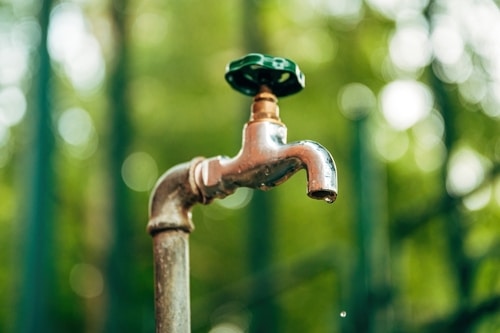
Dripping when turned off. If the hose bib drips after you shut it off completely, the internal washer or seat is worn. This is the most common hose bib issue and one of the simplest repairs. Left unaddressed, the drip gets worse and the constant moisture can attract insects and promote mold growth on the exterior wall.
Leaking behind the wall. This is the dangerous one. If water is leaking from the stem or body of the hose bib inside the wall cavity, you may not see it until staining or soft spots appear on the interior drywall. The pipe connection behind the faucet can develop leaks from corrosion, loose fittings, or freeze damage.
Low water pressure at the outdoor faucet. If the hose pressure has dropped noticeably, the issue could be a partially closed shutoff valve inside the house, mineral scale buildup in the hose bib, or a kink or restriction in the supply line feeding the faucet. If indoor water pressure is also affected, the problem may be further upstream — check the full list of water pressure causes.
Handle is stuck or hard to turn. Calcium and mineral buildup inside the hose bib mechanism can seize the handle over time. Forcing it risks breaking the stem and causing a leak. A plumber can disassemble the unit, clean or replace the internal components, and restore smooth operation.
Freeze Damage: A Real Risk in Katy
Katy does not get hard freezes every year, but when it does — like the February 2021 winter storm — the damage to outdoor faucets and the pipes behind them is extensive and expensive. Standard hose bibs are particularly vulnerable because the water inside the faucet body and the short section of pipe in the exterior wall is exposed to freezing temperatures.
When water freezes inside a hose bib, it expands and can crack the faucet body or the pipe behind it. The crack may not leak until the ice thaws, at which point water sprays into the wall cavity. Many Katy homeowners discovered burst pipes and water-damaged walls days after the 2021 freeze.
Frost-free hose bibs are designed to prevent this. They have an elongated stem that places the shutoff valve deeper inside the wall where the temperature stays above freezing. If your home still has standard hose bibs — which is common in Katy homes built before the mid-2000s — upgrading to frost-free models is a smart preventive move.
The National Weather Service Houston issues freeze warnings for the Katy area when temperatures are expected to drop below 32°F. When those alerts hit, Katy homeowners should disconnect garden hoses, close the interior shutoff valve to outdoor faucets (if accessible), and open the hose bib to drain residual water.
Repair vs. Replace
A standard hose bib repair — replacing the washer, packing, or seat — is affordable and takes about 30 minutes. If the faucet body itself is cracked, corroded, or the internal mechanism is too deteriorated to hold a seal, replacement is the better option.
When replacing, we recommend upgrading to a frost-free, anti-siphon hose bib. The anti-siphon feature includes a built-in backflow preventer that keeps garden hose water from being pulled back into your home’s drinking water supply — a code requirement in many Texas jurisdictions.
At GAL Plumbing Industries, we stock common hose bib sizes and can typically complete a replacement in a single visit.
Why Outdoor Faucet Issues Should Not Wait
A dripping hose bib wastes water every minute of every day. A leak behind the wall causes hidden damage that grows more expensive the longer it goes. And a vulnerable hose bib going into a freeze event is a gamble with your home’s interior walls, flooring, and personal belongings.
If you have noticed dripping, leaking, low pressure, or difficulty turning the handle on any outdoor faucet, get it looked at now — before Katy’s next cold snap makes it an emergency.
For related plumbing maintenance, read Essential Plumbing Maintenance Tips for Your Katy, TX Home.
Get Your Outdoor Faucet Fixed in Katy
Call GAL Plumbing Industries at (832) 906-1141 or contact us online to schedule a hose bib repair or replacement. We serve Katy, Cinco Ranch, Fulshear, Sugar Land, and the surrounding west Houston area.
Related reading: Toilets, Faucets, Sinks & More | Water Line Repair in Katy, TX
BLOG 8 of 8
Slug: new-construction-plumbing-katy-tx
Focus Keyphrase: new construction plumbing Katy TX
SEO Title: New Construction Plumbing in Katy, TX | Planning
Meta Description: Building a new home in Katy, TX? GAL Plumbing covers the plumbing decisions that matter most during new construction — pipe materials, layout, and more.
New Construction Plumbing in Katy, TX: What to Plan Before the Walls Go Up
Katy is one of the fastest-growing areas in the greater Houston metro, and new home construction in communities from Cane Island to Cross Creek Ranch to the expanding edges of Fulshear means thousands of homeowners are making plumbing decisions right now — whether they realize it or not.
If you are building a new home or a major addition in the Katy area, the plumbing decisions you make before the slab is poured and the walls go up will affect your home’s performance, maintenance costs, and resale value for decades. Here is what matters most.
Builder-Grade Plumbing vs. Smart Upgrades
Most production builders in the Katy area include a standard plumbing package that meets code but does not go beyond minimum requirements. That package typically includes basic PVC drain lines, a standard 40 or 50-gallon tank water heater, builder-grade faucets and fixtures, a single outdoor hose bib, and a standard garbage disposal.
This setup works, but there are strategic upgrades during construction that cost a fraction of what they would cost to add after the home is finished.
Upgrade the water heater. Switching from a standard tank to a tankless water heater during construction is significantly cheaper than retrofitting later. The gas line, venting, and water connections can all be sized and routed correctly from the start. Tankless units last longer, use less energy, and never run out of hot water — a meaningful advantage in larger Katy homes with three or more bathrooms.
Add a water softener loop. Even if you do not install a water softener immediately, having the plumbing loop installed during construction (a bypass line with shutoff valves near the water heater or garage entry) costs very little. Adding it after the walls are closed requires cutting drywall and rerouting pipe. Given Katy’s hard water, most homeowners end up wanting a softener eventually.
Install extra hose bibs. Most builders include one or two outdoor faucets. If you have a large lot, a garden area, or plans for a future outdoor kitchen, adding hose bibs during rough-in is inexpensive compared to adding them later.
Upgrade fixtures. Builder-grade faucets and toilets are functional but often the lowest tier available. Upgrading to WaterSense-certified fixtures at the time of construction ensures better water efficiency and longer lifespan. The EPA WaterSense program certifies fixtures that use at least 20 percent less water without sacrificing performance.
Pipe Material Choices That Matter
New construction in Katy typically uses PVC for drain/waste/vent lines and either PEX or copper for water supply lines. Both PEX and copper are reliable choices, but each has trade-offs.
PEX is less expensive, installs faster, and is more resistant to scale buildup from hard water. Copper has a longer track record, higher resale perception, and better antimicrobial properties. Your plumber should walk you through the pros and cons based on your budget, water quality, and long-term plans.
For the sewer line between the house and the street, PVC or SDR-35 is standard. Make sure your builder is running the sewer line with proper slope and clean routing — a poorly installed sewer line on new construction can cause chronic drainage problems within just a few years.
Sewer and Drain Layout: Get It Right the First Time
The layout of your drain and sewer system is largely determined during the rough-in phase — before the slab is poured. Once concrete covers the under-slab plumbing, changes become extremely expensive.
Key considerations include drain locations for future additions (a bathroom in the garage apartment, a wet bar in the game room, or a utility sink in the workshop), proper cleanout placement so you and your plumber can easily access the sewer line for future maintenance and inspections, adequate slope on all drain lines to prevent standing water and premature blockages, and backwater valve installation if your home is in a flood-prone area of Katy.
Working with Your Builder’s Plumber vs. Hiring Your Own
In most new construction contracts in Texas, the builder provides the plumbing contractor. You typically cannot bring in your own plumber for the rough-in and finish work. However, you can request upgrades through the builder (usually as change orders), have an independent plumber inspect the work at key stages, and hire your own plumber for post-construction additions like water softener installation, gas line extensions, or outdoor kitchen plumbing.
At GAL Plumbing Industries, we work with Katy homeowners on pre-move-in inspections, post-construction upgrades, and ongoing maintenance once the builder warranty period ends. We also handle commercial plumbing for new commercial builds throughout the area.
Building Smart Starts with Plumbing
The decisions you make about plumbing during new construction are the hardest and most expensive to change later. Taking the time to think through water heater type, pipe materials, fixture quality, future-proofing layouts, and preventive features like water softener loops and additional cleanouts pays dividends for as long as you own the home.
If you are building in Katy, Cinco Ranch, Fulshear, or anywhere in the west Houston corridor and want an independent plumbing consultation, call GAL Plumbing Industries at (832) 906-1141 or reach out online.
Related reading: Residential Plumbing Services | Water Heater Services
CROSS-LINKING MAP FOR ALL 8 NEW BLOGS
Once published, add these cross-links between the new posts and existing content:
Blog 1 (Repiping) → link to Blog 3 (Water Softener) where hard water/scale is mentioned Blog 2 (Camera Inspection) → link to Blog 5 (Multiple Drains) and Blog 6 (Find Cleanout) Blog 3 (Water Softener) → link to Blog 4 (Tankless Flush) where scale/maintenance is mentioned Blog 4 (Tankless Flush) → link to Blog 3 (Water Softener) as preventive measure Blog 5 (Multiple Drains) → link to Blog 6 (Find Cleanout) and Blog 2 (Camera Inspection) Blog 6 (Find Cleanout) → link to Blog 5 (Multiple Drains) and Blog 2 (Camera Inspection) Blog 7 (Outdoor Faucet) → link to Blog 1 (Repiping) if pipe age is referenced Blog 8 (New Construction) → link to Blog 3 (Water Softener) and Blog 4 (Tankless Flush)
Also cross-link back to the original 12 posts where relevant: Blog 2 (Camera Inspection) → link to Trenchless Sewer Repair post Blog 5 (Multiple Drains) → link to Hydro Jetting vs Snaking post Blog 1 (Repiping) → link to Water Line Repair post and High Water Bill post
QUICK REFERENCE — ALL 8 YOAST METADATA
| # | Slug | Focus Keyphrase | SEO Title (≤60) | Meta Desc (≤155) |
|---|---|---|---|---|
| 1 | whole-house-repiping-katy-tx | whole house repiping Katy TX | Whole House Repiping in Katy, TX | When It’s Time | Considering whole house repiping in Katy, TX? GAL Plumbing explains the warning signs, what the process involves, and which pipe materials work best. |
| 2 | sewer-camera-inspection-cost-katy-tx | sewer camera inspection Katy TX | Sewer Camera Inspection in Katy, TX | Cost & Process | What does a sewer camera inspection cost in Katy, TX? GAL Plumbing explains how camera inspections work, what they reveal, and when you need one. |
| 3 | water-softener-installation-katy-tx | water softener Katy TX | Water Softener Installation in Katy, TX | Benefits | Hard water damaging your Katy, TX plumbing? GAL Plumbing explains how a water softener protects your pipes, fixtures, and water heater long term. |
| 4 | tankless-water-heater-flush-katy-tx | tankless water heater flush Katy TX | Tankless Water Heater Flush in Katy, TX | $185 Deal | Need a tankless water heater flush in Katy, TX? GAL Plumbing explains why annual flushing matters and offers the service for just $185. |
| 5 | multiple-drains-clogging-katy-tx | multiple drains clogging Katy TX | Multiple Drains Clogging in Katy, TX? Main Line Issue | Multiple drains clogging at once in your Katy, TX home? That is a main sewer line problem. GAL Plumbing explains the causes and what to do next. |
| 6 | find-sewer-cleanout-katy-tx | sewer cleanout Katy TX | How to Find Your Sewer Cleanout in Katy, TX | Can’t find your sewer cleanout in Katy, TX? GAL Plumbing explains where to look, why it matters, and what to do if yours is buried or missing. |
| 7 | outdoor-faucet-hose-bib-repair-katy-tx | outdoor faucet repair Katy TX | Outdoor Faucet Repair in Katy, TX | Hose Bib Fix | Leaking outdoor faucet in Katy, TX? GAL Plumbing explains common hose bib problems, when to repair vs. replace, and how to prevent freeze damage. |
| 8 | new-construction-plumbing-katy-tx | new construction plumbing Katy TX | New Construction Plumbing in Katy, TX | Planning | Building a new home in Katy, TX? GAL Plumbing covers the plumbing decisions that matter most during new construction — pipe materials, layout, and more. |
All 8 ready to go. Zero overlap with the 90+ existing posts or the 12 we already published. Every internal link verified against the updated sitemap you provided.
Opus 4.6
Extended