If you live in Katy, Texas, you are dealing with hard water. The municipal water supply across the greater Houston area contains elevated levels of calcium and magnesium — the minerals responsible for the white crusty buildup on your faucets, the film on your shower glass, and the gradual destruction of your pipes and water heater from the inside out.
A water softener addresses the problem at the source. Here is what Katy homeowners need to know about how hard water affects plumbing systems and why softener installation is one of the smartest long-term investments you can make.
What Hard Water Is Doing to Your Katy Home Right Now
Hard water is not a health hazard. The minerals in it are safe to drink. But they are absolutely destructive to your plumbing infrastructure over time. Here is what happens when hard water runs through your system unchecked.
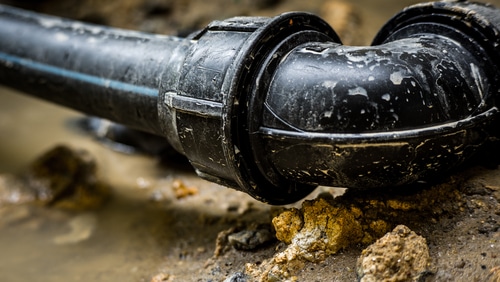
Scale buildup inside pipes. Calcium and magnesium deposits accumulate on the interior walls of your water supply lines, gradually reducing flow. This is one of the contributing factors to declining water pressure in older Katy homes. The pipes are not failing — they are clogging from the inside.
Water heater damage. Scale accumulates on heating elements in electric water heaters and on the heat exchanger in tankless units, reducing efficiency and shortening the lifespan of the unit. A water heater operating in hard water works harder to heat the same volume of water, which means higher energy bills. If you have already read about hard water effects on plumbing, you know this is a documented and measurable problem.
Fixture and appliance degradation. Faucets, showerheads, dishwashers, and washing machines all suffer from mineral buildup. Valves stick, aerators clog, and seals wear out faster than they should.
Soap and detergent inefficiency. Hard water reduces the effectiveness of soap, shampoo, and laundry detergent. You end up using more product to get the same results, which adds up over a year.
How a Water Softener Works
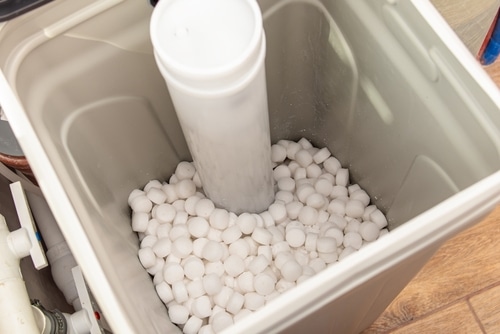
A whole-house water softener uses a process called ion exchange to remove calcium and magnesium from your water supply before it reaches any fixture or appliance in your home. The water passes through a tank filled with resin beads that are charged with sodium ions. As the hard water flows through, the calcium and magnesium ions swap places with the sodium ions, and the softened water continues into your plumbing system.
The resin beads periodically regenerate using a brine solution (salt water), which flushes the accumulated minerals out of the system and recharges the beads. This regeneration cycle happens automatically — usually in the middle of the night — and requires only that you keep the salt reservoir filled.
The U.S. Geological Survey maintains detailed resources on water hardness levels across the United States. The greater Houston area consistently measures in the moderately hard to hard range.
Where the Softener Gets Installed
A whole-house water softener is installed on the main water supply line, typically in the garage or a utility area, after the water meter but before the line splits to serve the rest of the house. This ensures that every fixture — kitchen, bathrooms, laundry, and the water heater — receives softened water.
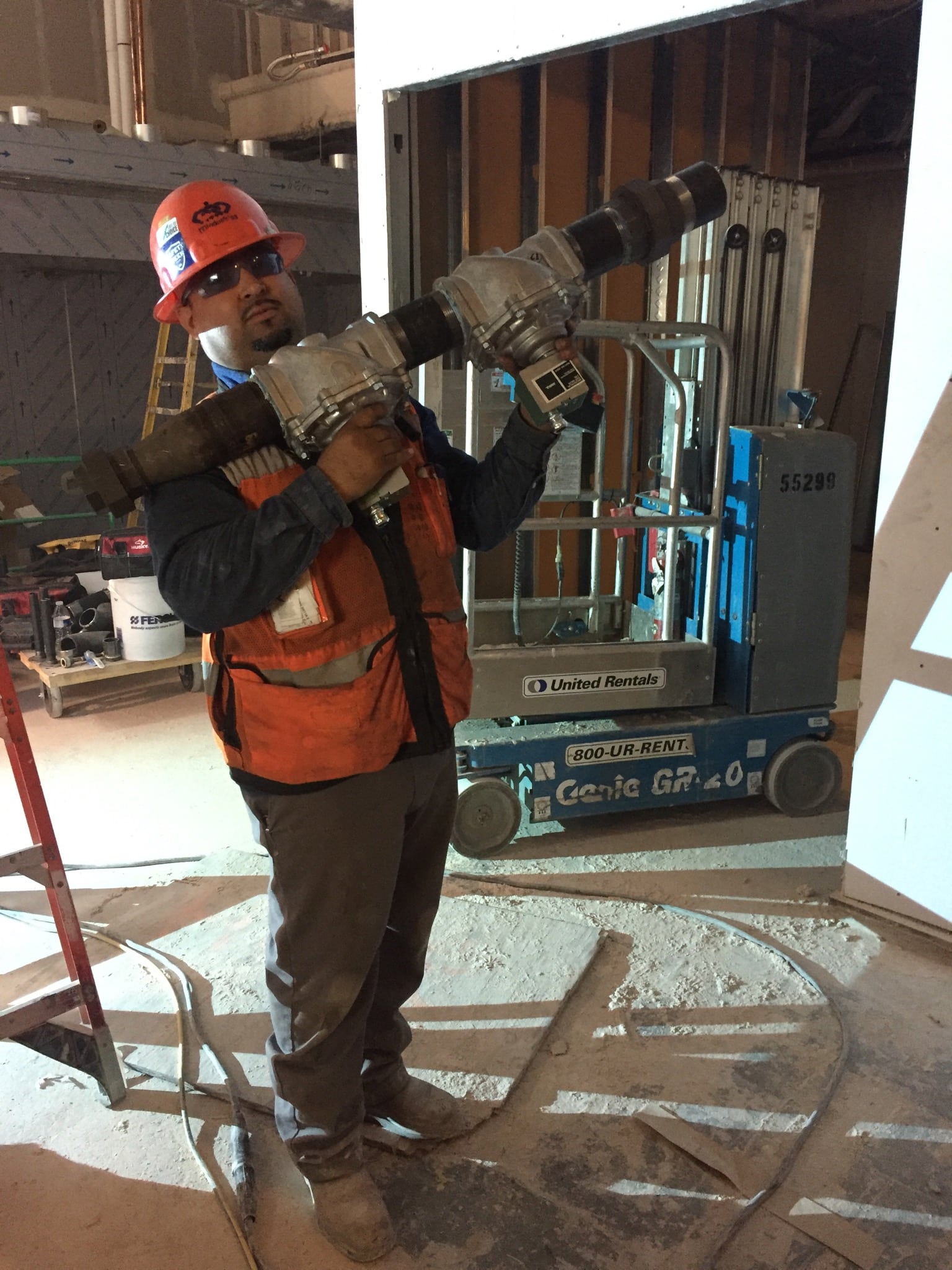
The installation involves cutting into the main supply line, installing bypass valves, connecting the softener unit, running a drain line for the regeneration cycle, and testing the system. A licensed plumber should handle this to ensure the connections are code-compliant and the unit is properly sized for your home’s water usage and hardness level.
At GAL Plumbing Industries, we size water softeners based on the number of people in the household, the measured hardness of your water, and your daily water consumption patterns.
Benefits Katy Homeowners See After Installation
Homeowners who install a water softener in their Katy home typically notice results immediately. Soap lathers better and rinses cleaner, skin and hair feel softer after showering, dishes come out of the dishwasher without spots or film, laundry is softer and requires less detergent, and faucets and showerheads stay clean much longer.
The benefits you do not see are equally important. Softened water dramatically slows scale buildup inside your pipes, extends water heater lifespan, and reduces the frequency of plumbing repairs caused by mineral deposits.
Does a Water Softener Affect Drinking Water?
The ion exchange process adds a small amount of sodium to the water. For most people, the amount is negligible and well within safe consumption levels. If you are on a sodium-restricted diet or prefer unsoftened drinking water, your plumber can install a bypass line to the kitchen cold water tap so you get untreated water at the sink while the rest of the house receives softened water.
Some Katy homeowners pair a water softener with a reverse osmosis system at the kitchen sink for dedicated drinking and cooking water. This combination gives you the best of both worlds — protected plumbing and purified drinking water.
Maintenance Is Simple
Water softeners require very little ongoing maintenance. Keep the salt reservoir filled (check it monthly), set the regeneration schedule to match your household’s usage, and have the system inspected annually to ensure the resin bed and valves are functioning properly. Most units last 10 to 15 years or more with basic upkeep.
Get a Water Softener Quote for Your Katy Home
If you are tired of scrubbing scale off fixtures, replacing clogged aerators, and watching your water heater work harder than it should, a water softener solves the root cause. Call GAL Plumbing Industries at (832) 906-1141 or contact us online for a water softener consultation and quote.
We serve homeowners throughout Katy, Cinco Ranch, Fulshear, Sugar Land, and the surrounding west Houston area.
Related reading: Hard Water Effects on Plumbing | Residential Plumbing Services